


An under-tile waterproofing system that can be applied in all kinds of indoor wet areas.

Layers & Products8 layers
-
1
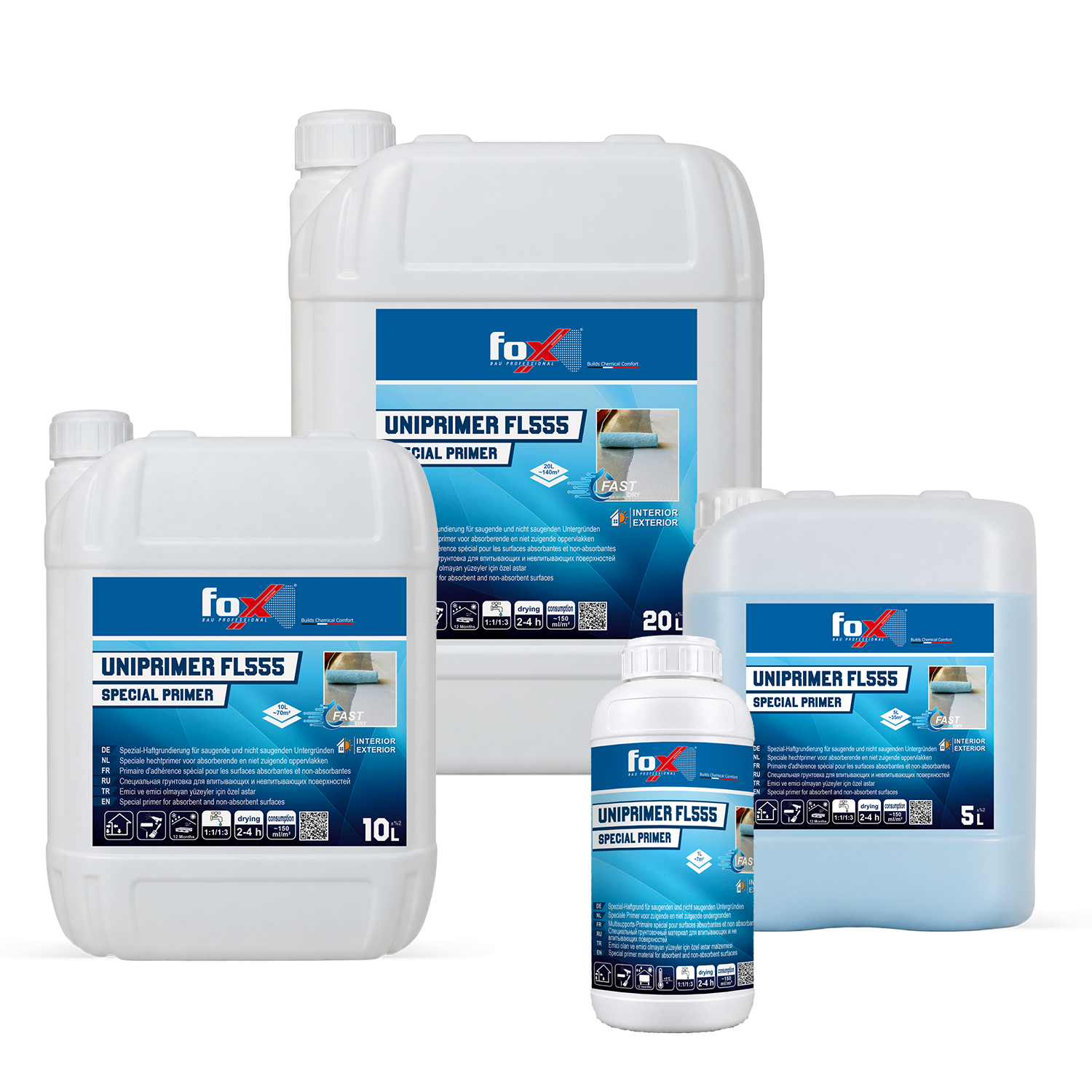
Primer
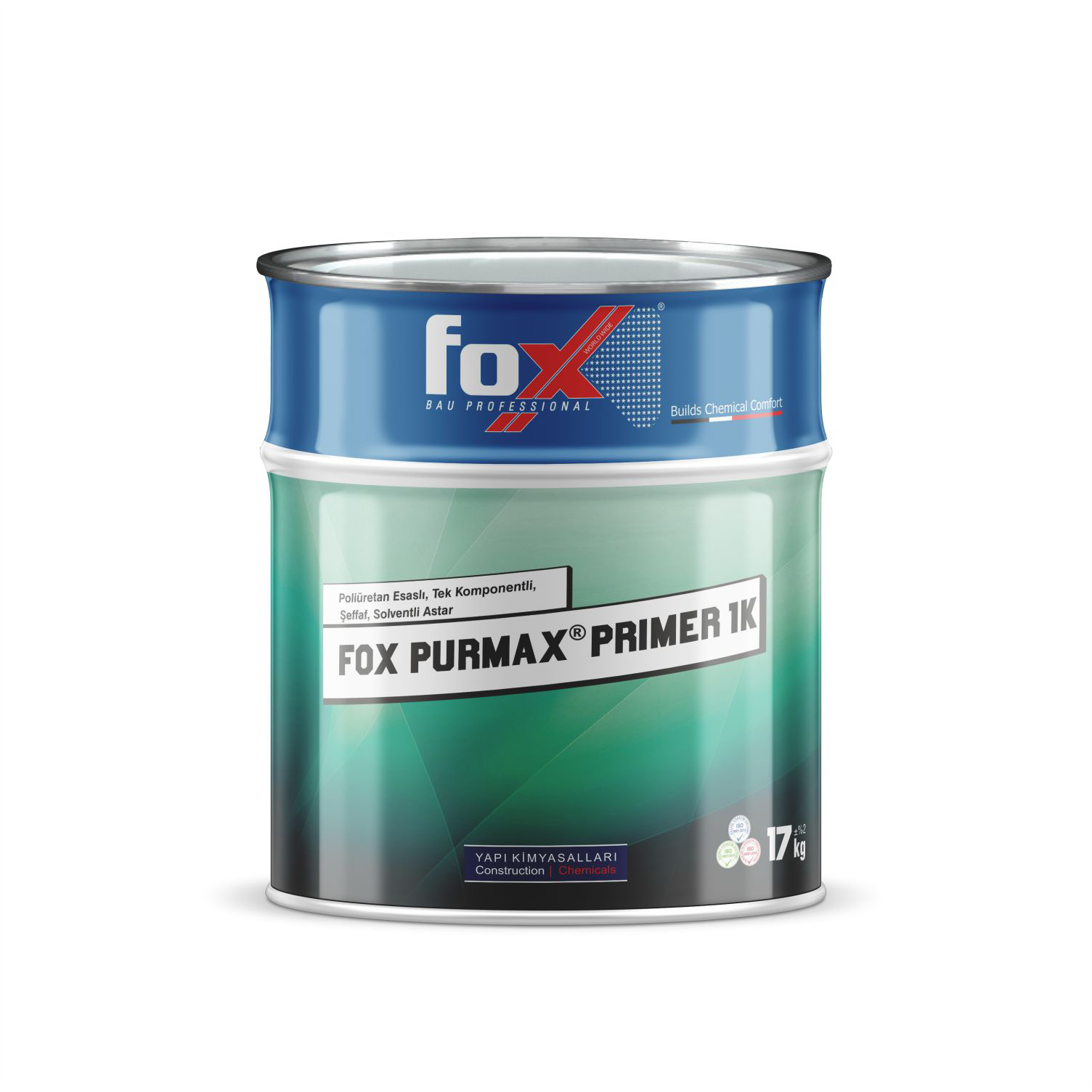
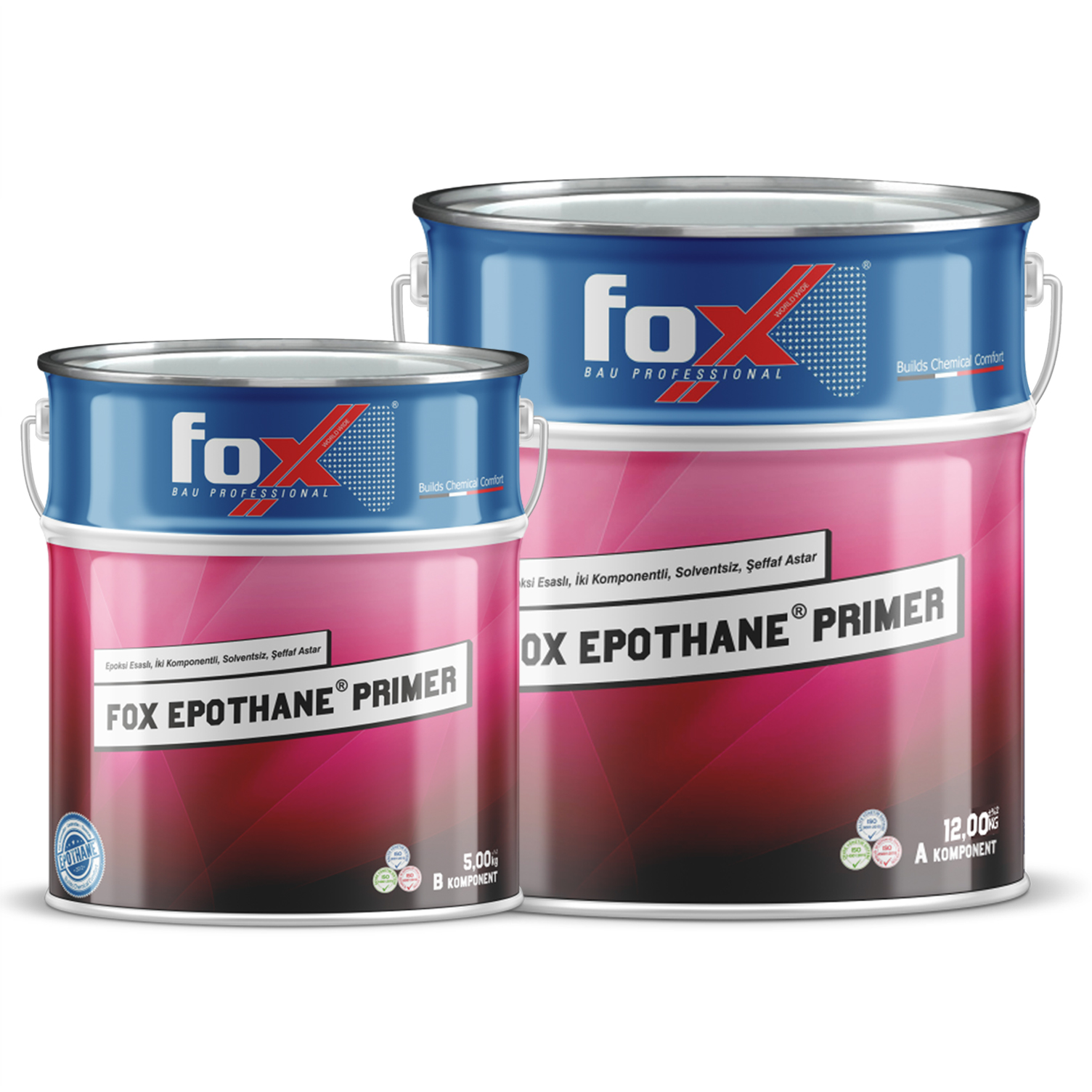
RequiredMain Product FOX UNIPRIMER FL555~0.15 kg/m²Primer
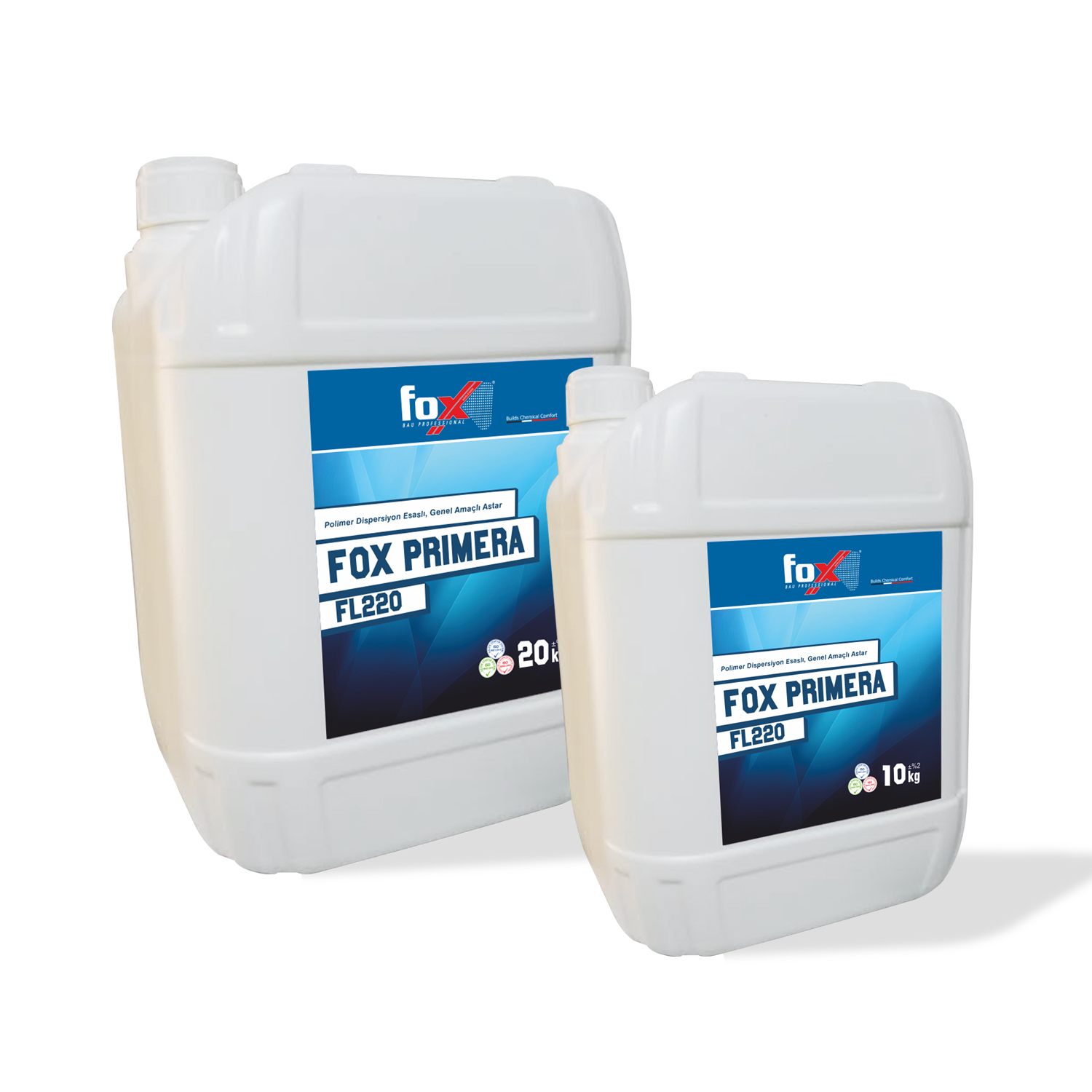
Alternative FOX PRIMERA® FL220~0.19 kg/m²Option
-
2
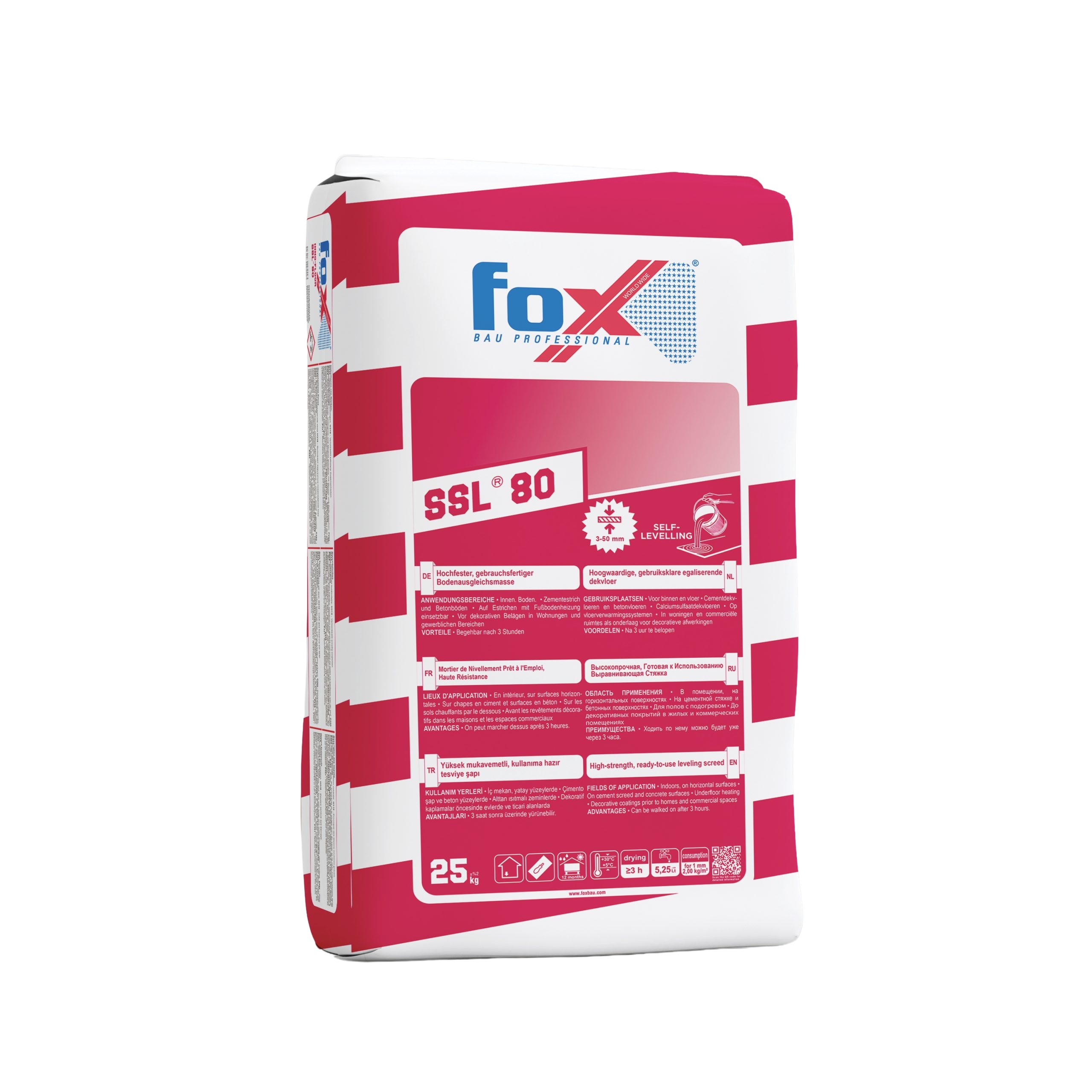
Floor Levelling
Required -
3
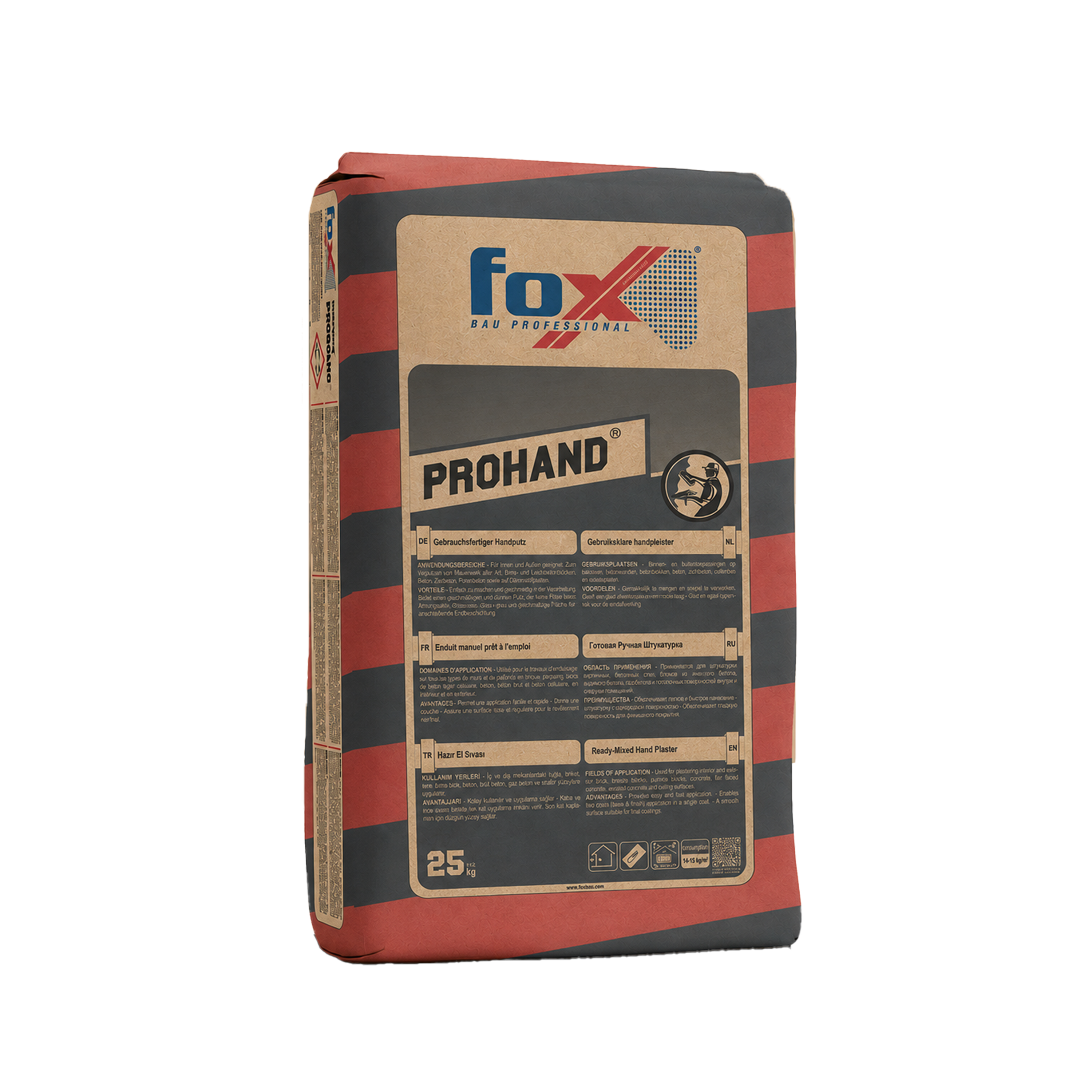
Wall Levelling
Required -
4
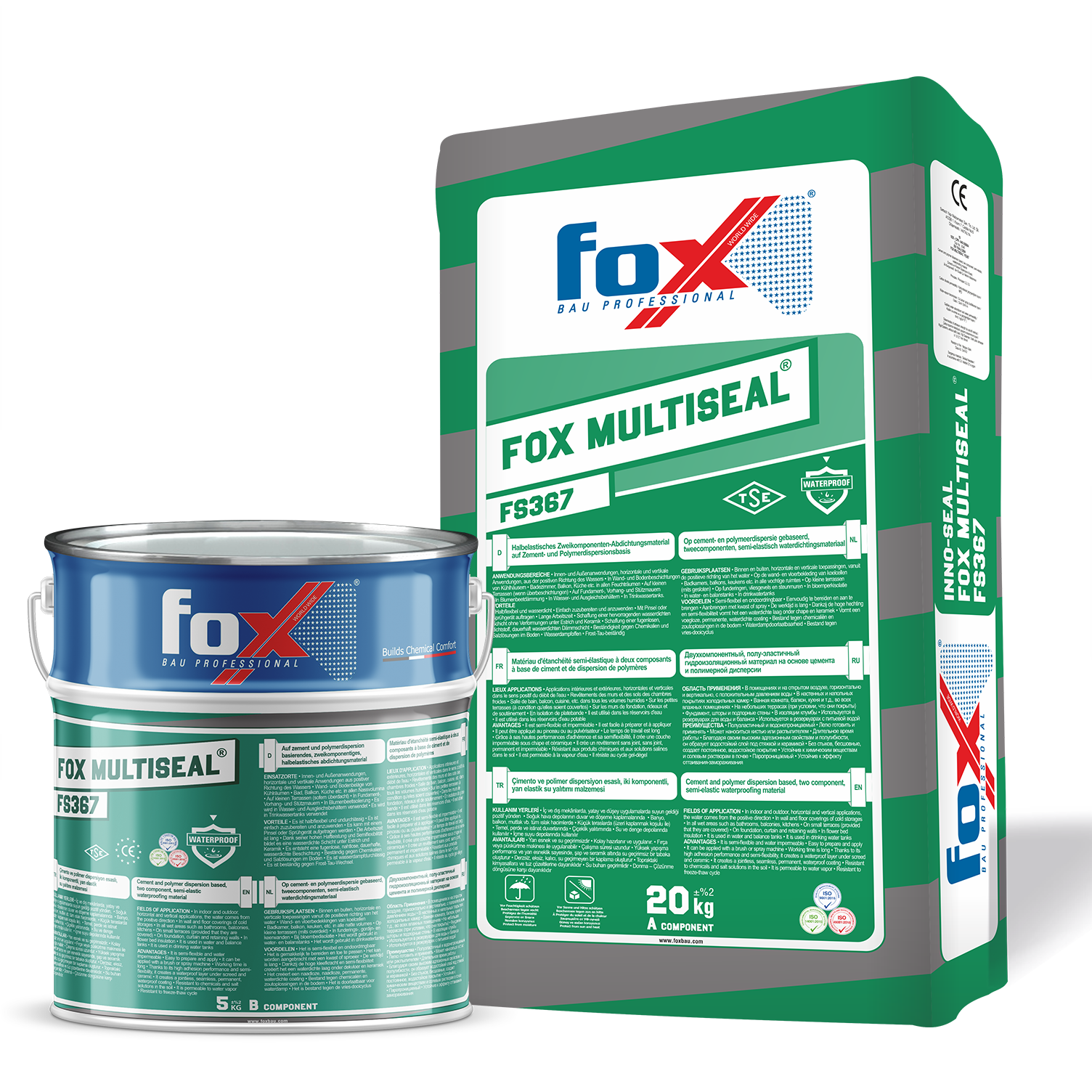
Waterproofing
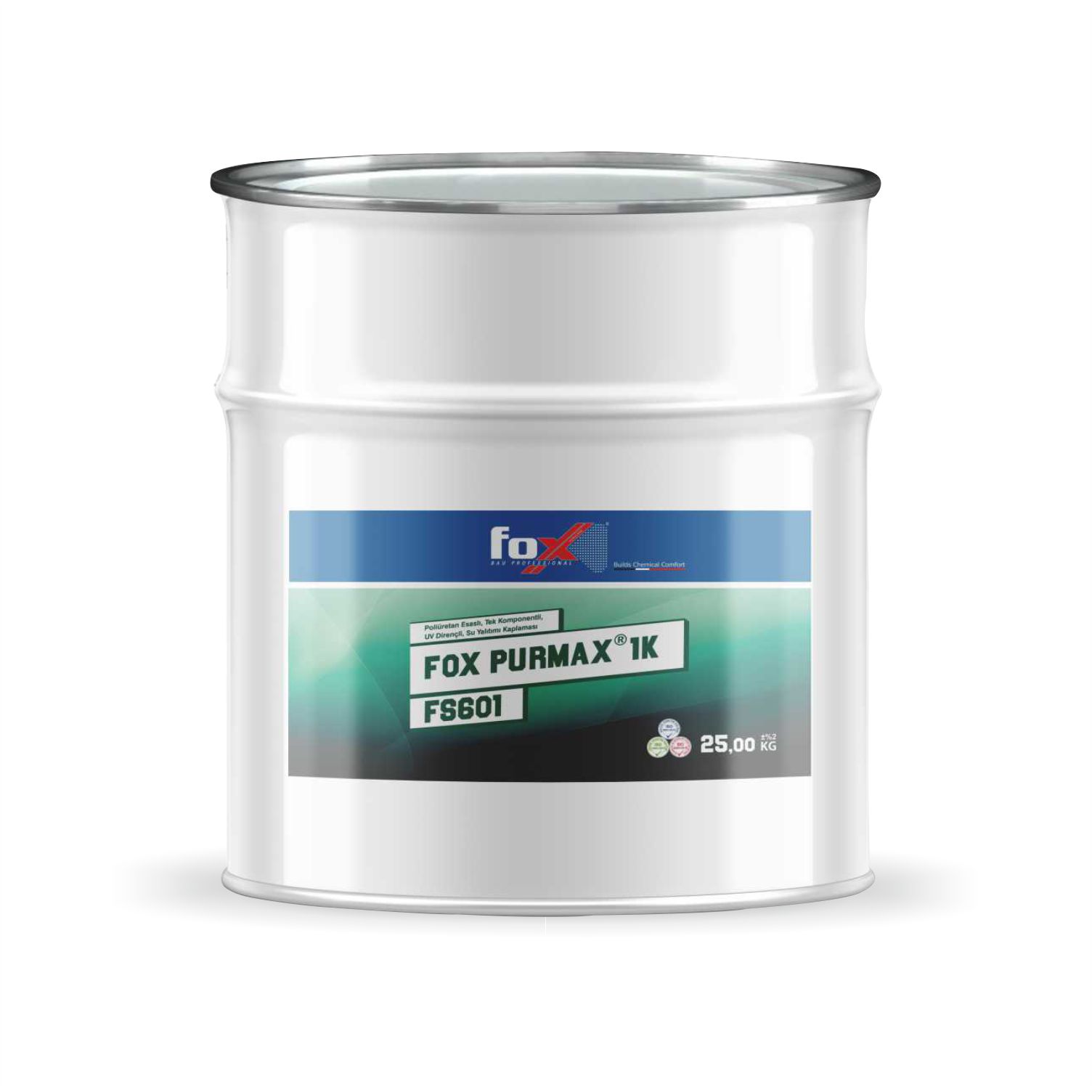
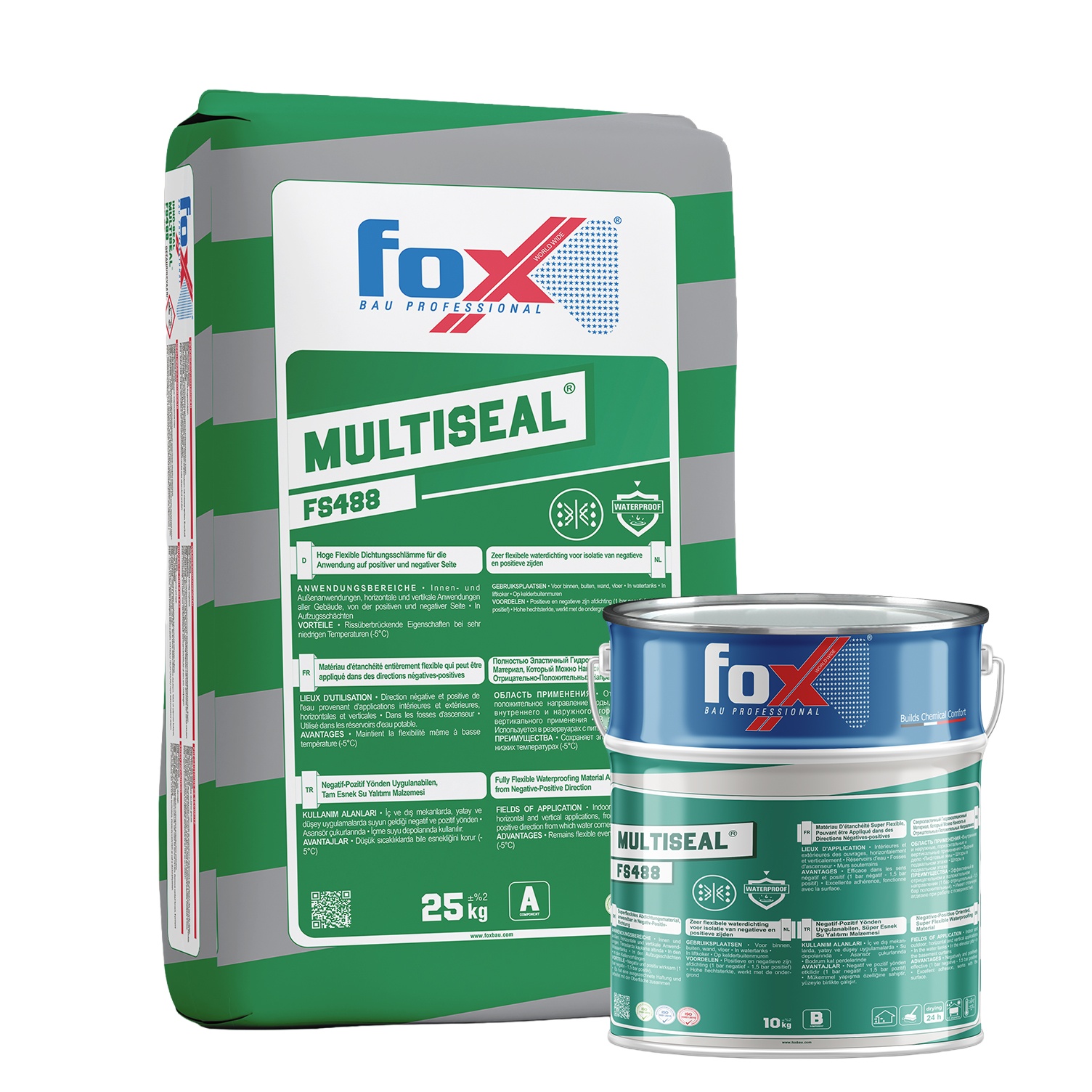
RequiredMain Product FOX MULTISEAL® FS367~4 kg/m²Waterproofing
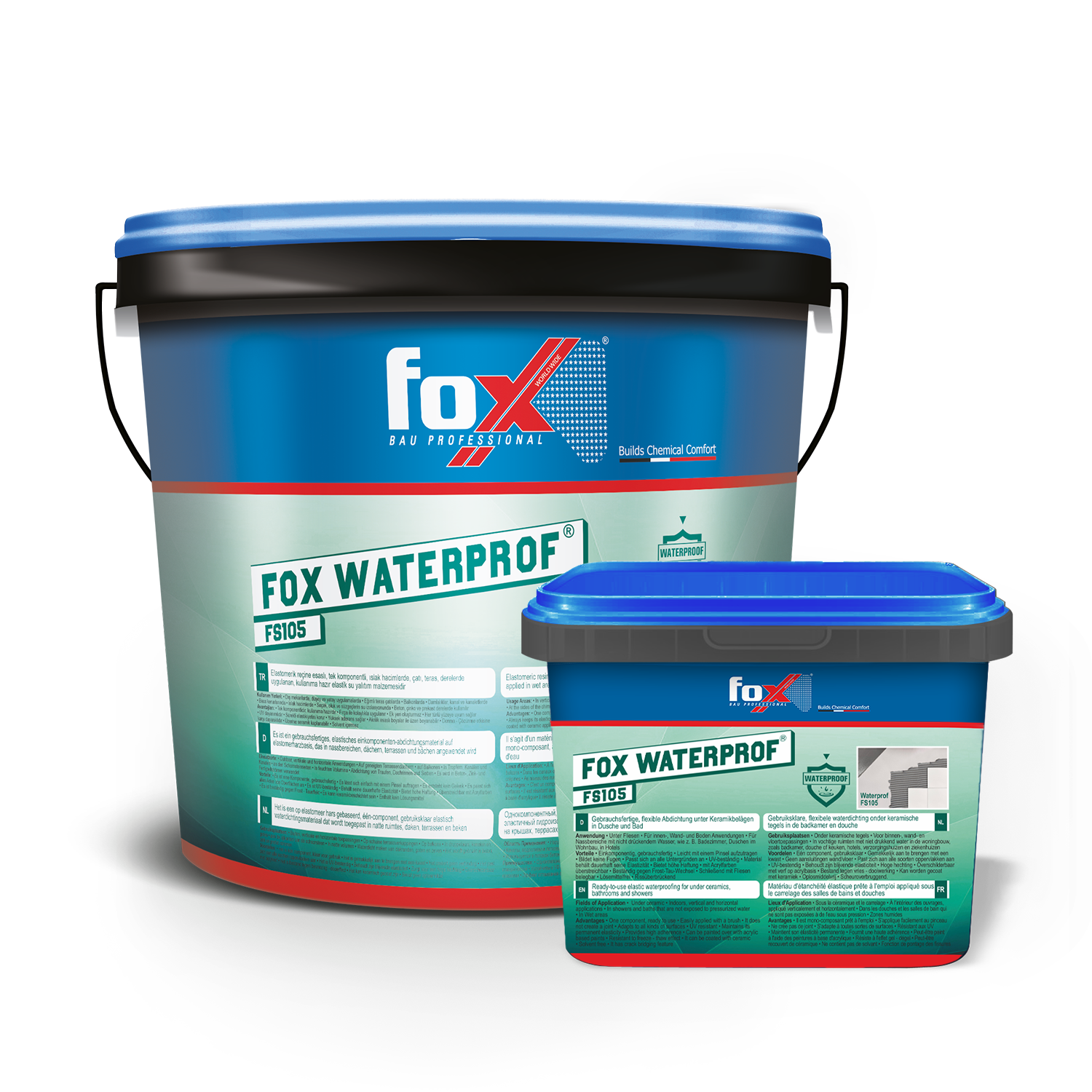
Alternative FOX WATERPROF® FS105~1.68 kg/m²Option
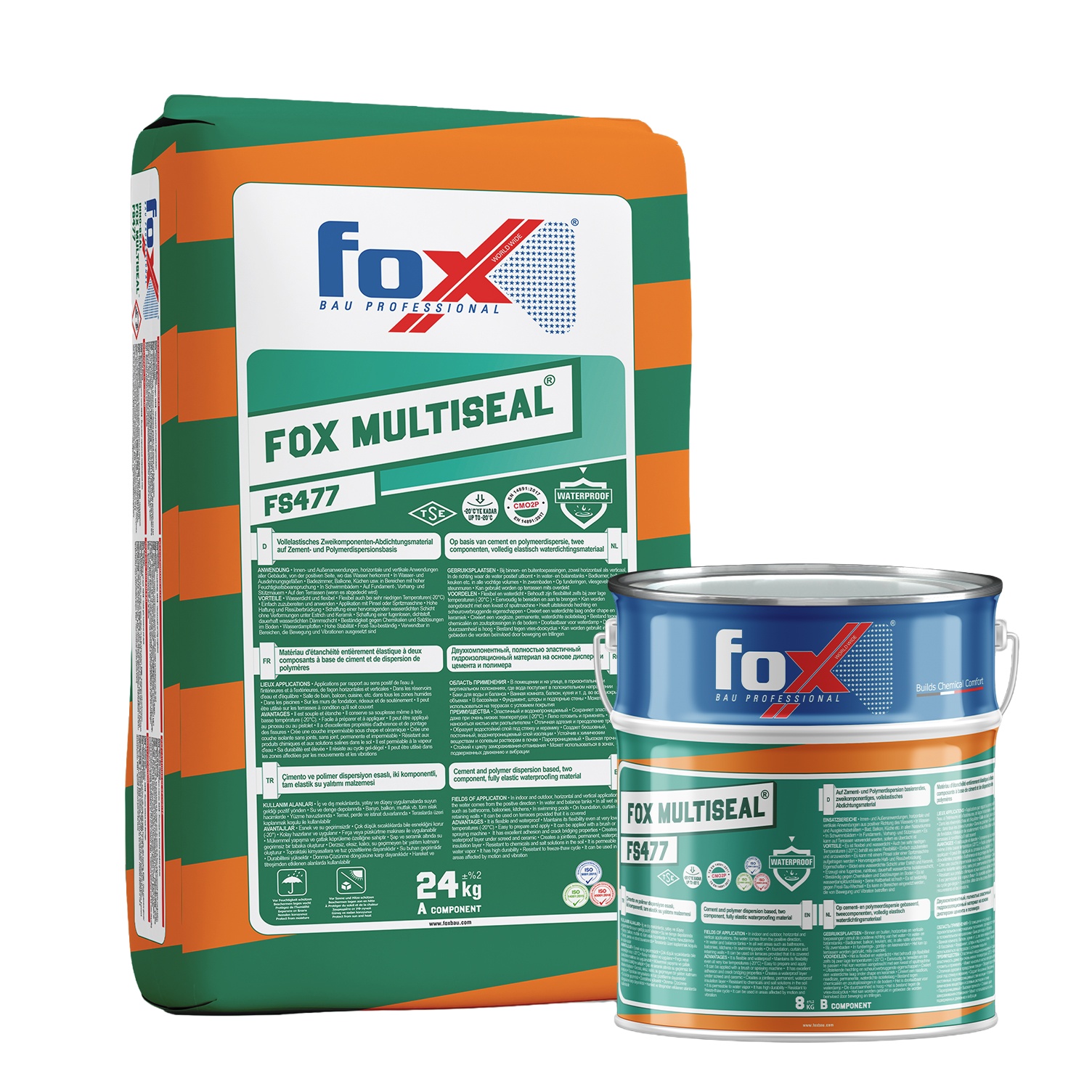
Main Product FOX MULTISEAL® FS477~4 kg/m²Waterproofing
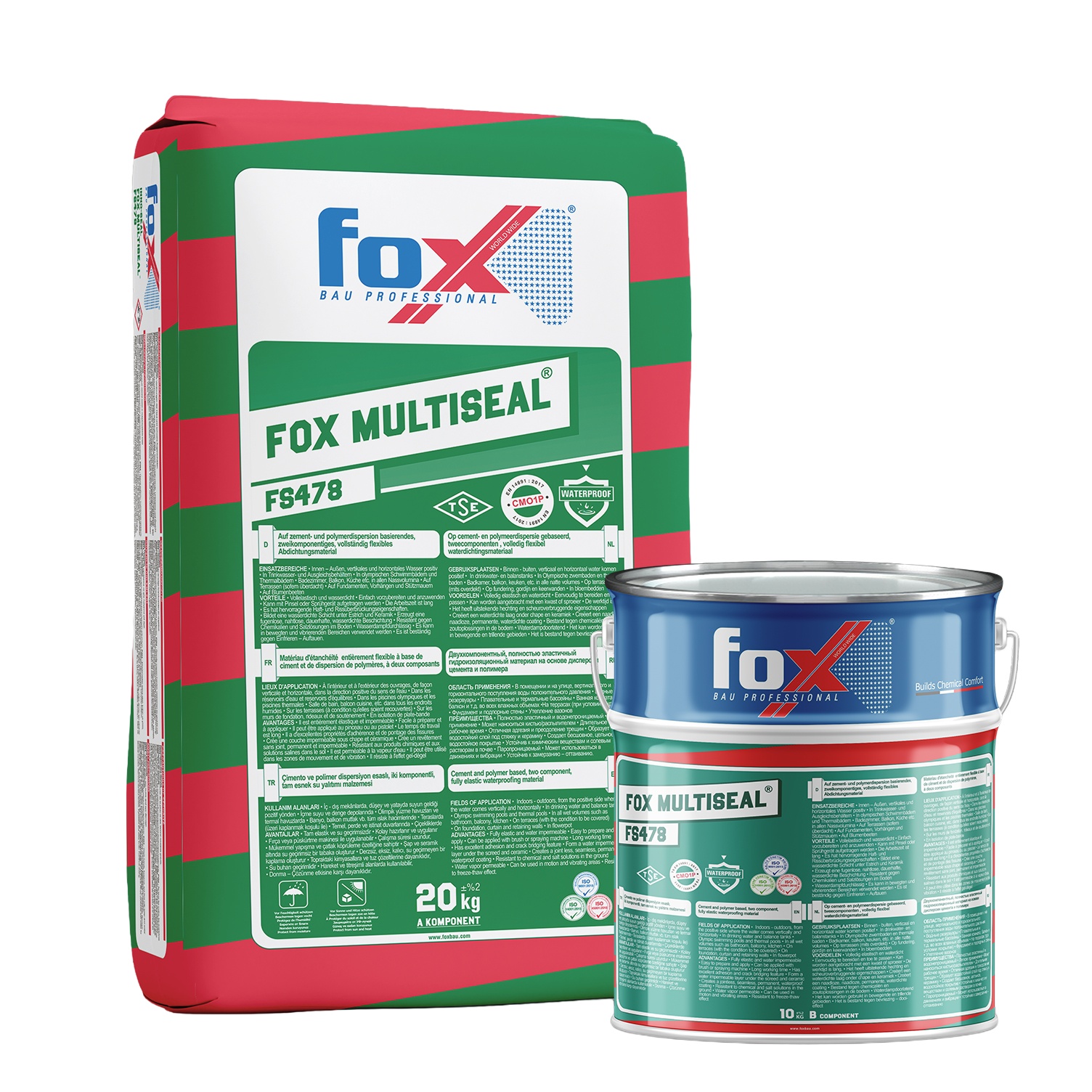
Main Product FOX MULTISEAL® FS478~4 kg/m²Waterproofing
-
5
Waterproofing Tapes
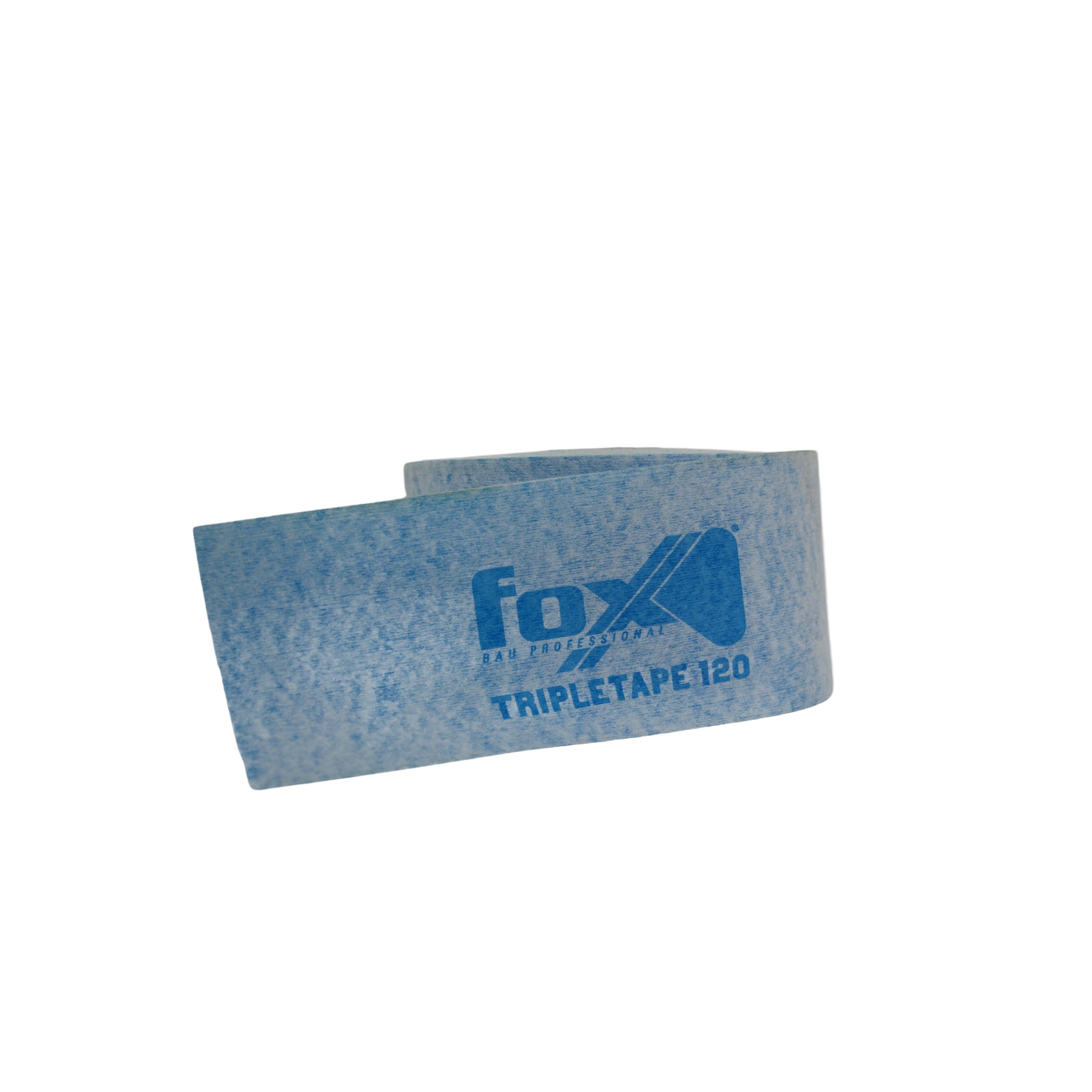
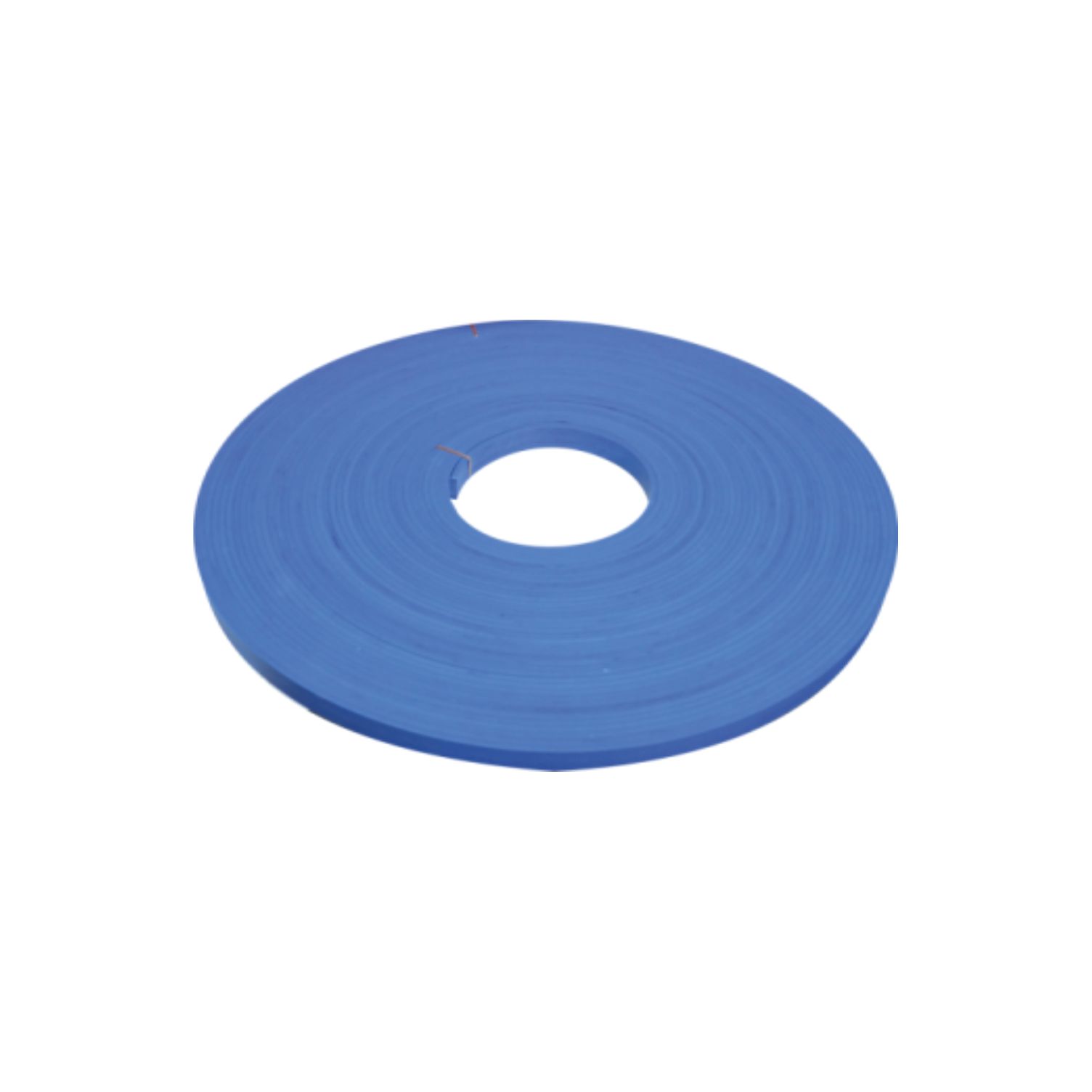
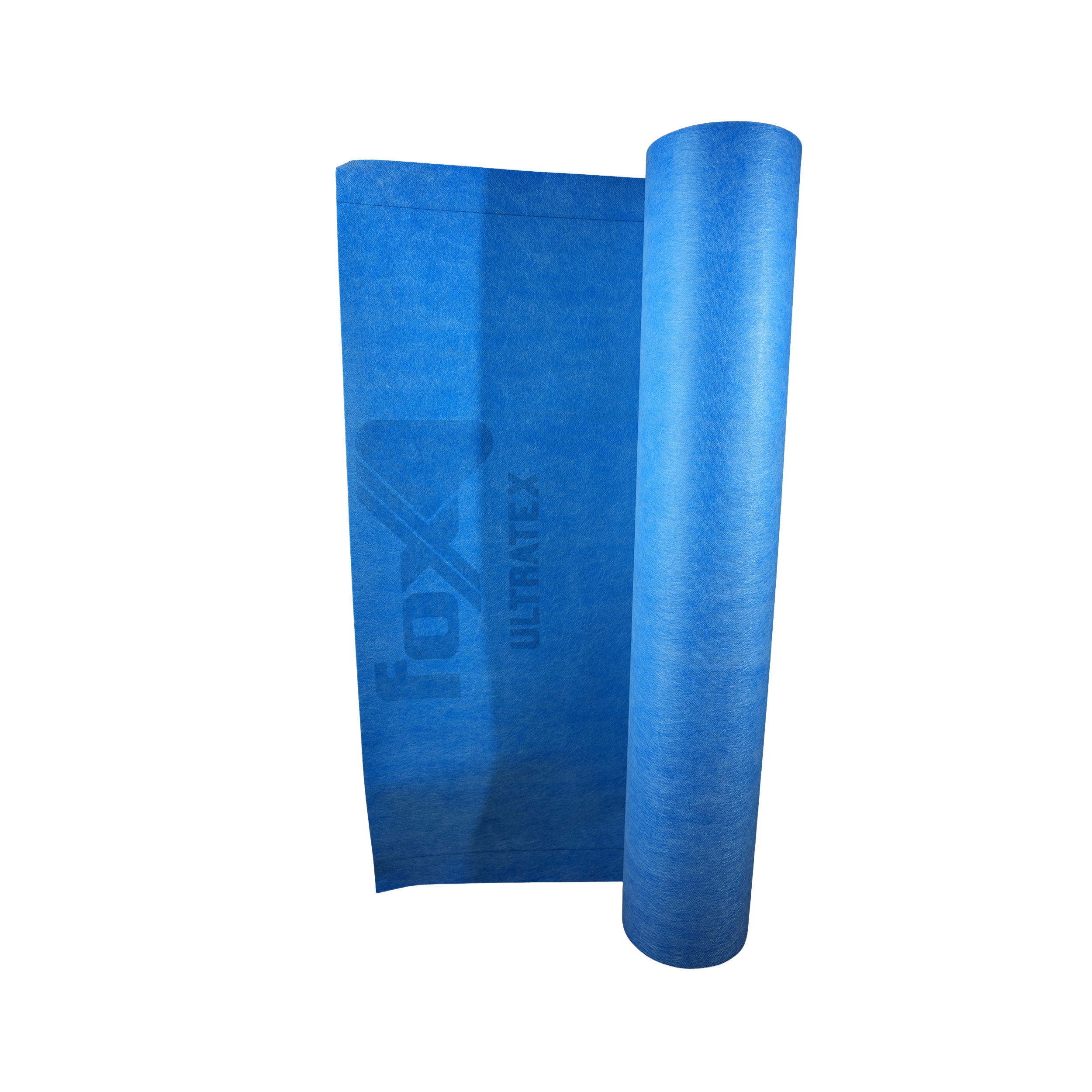
RequiredMain Product FOX TRIPLETAPE 120Waterproofing Tapes
-
6
Tile Adhesive
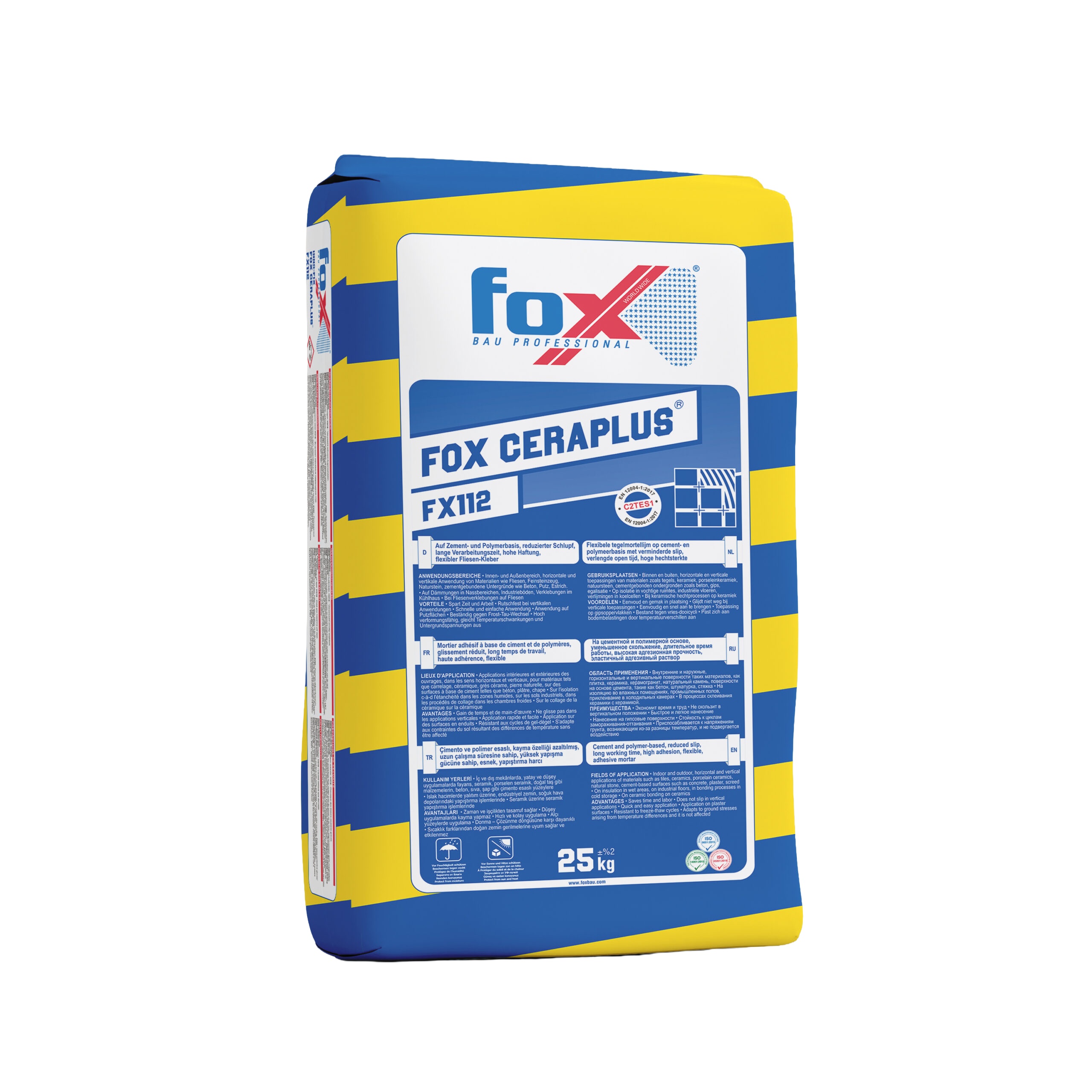
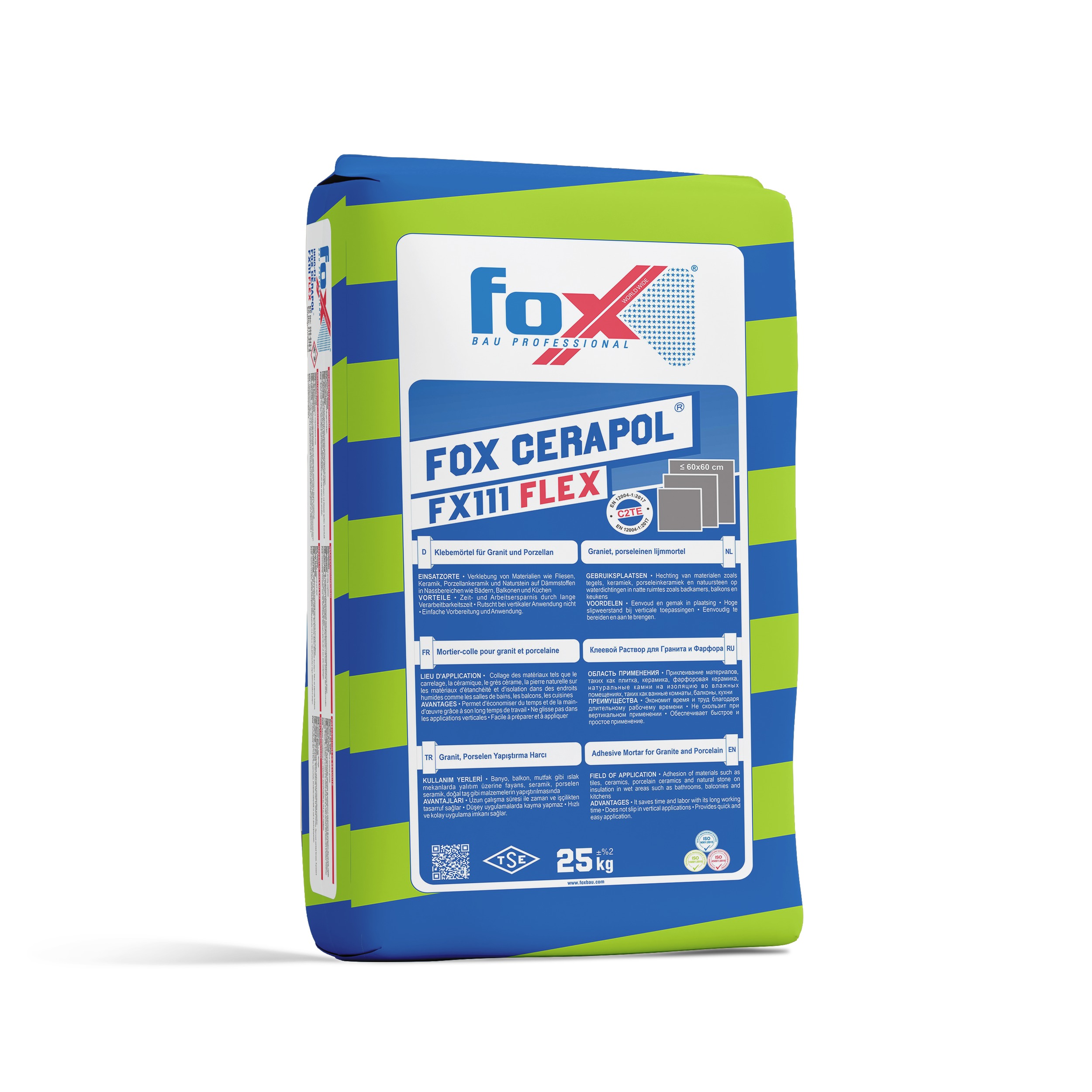
RequiredMain Product FOX CERAPLUS® FX112~5 kg/m²Tile Adhesive
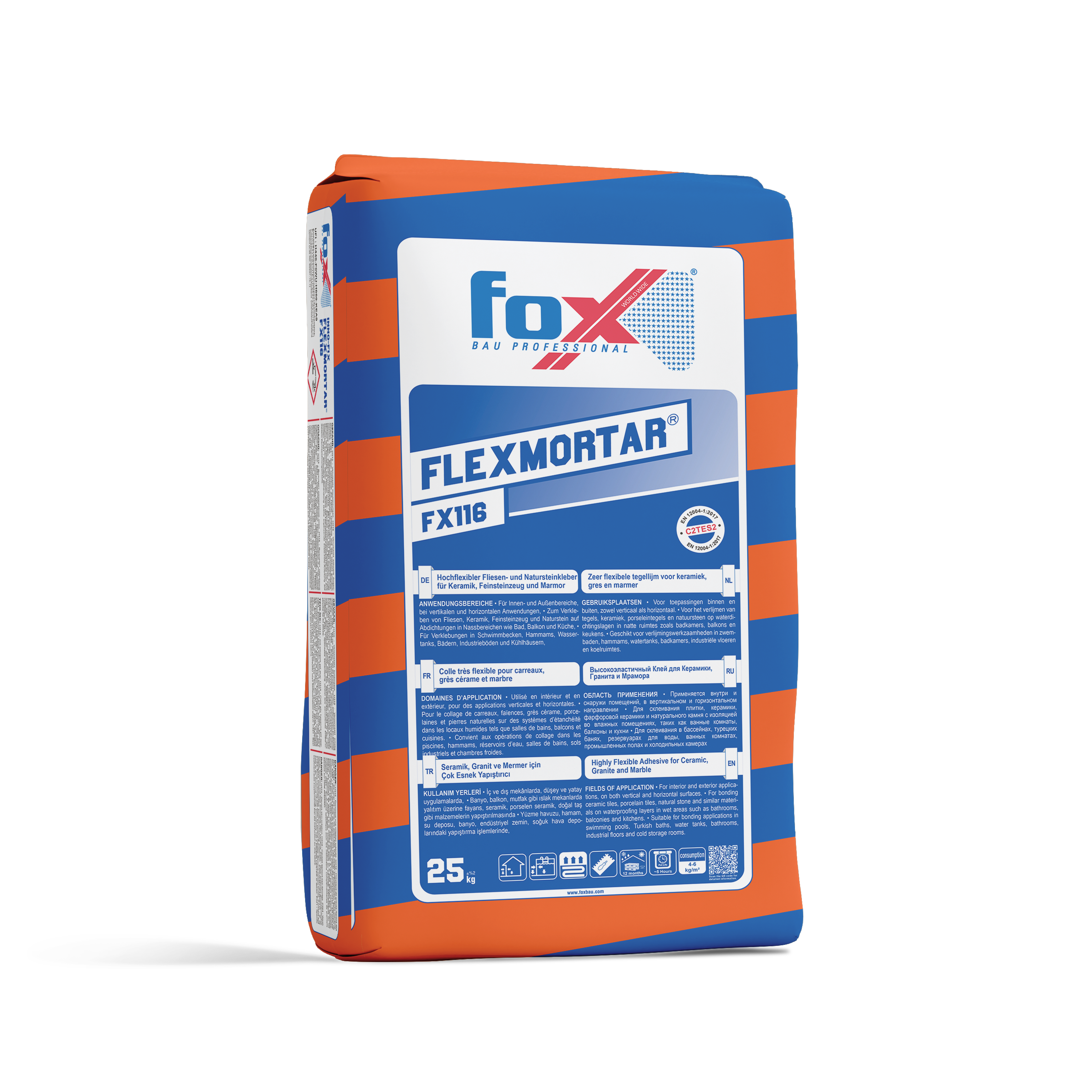
Alternative FOX FLEXMORTAR® FX116~5 kg/m²Option
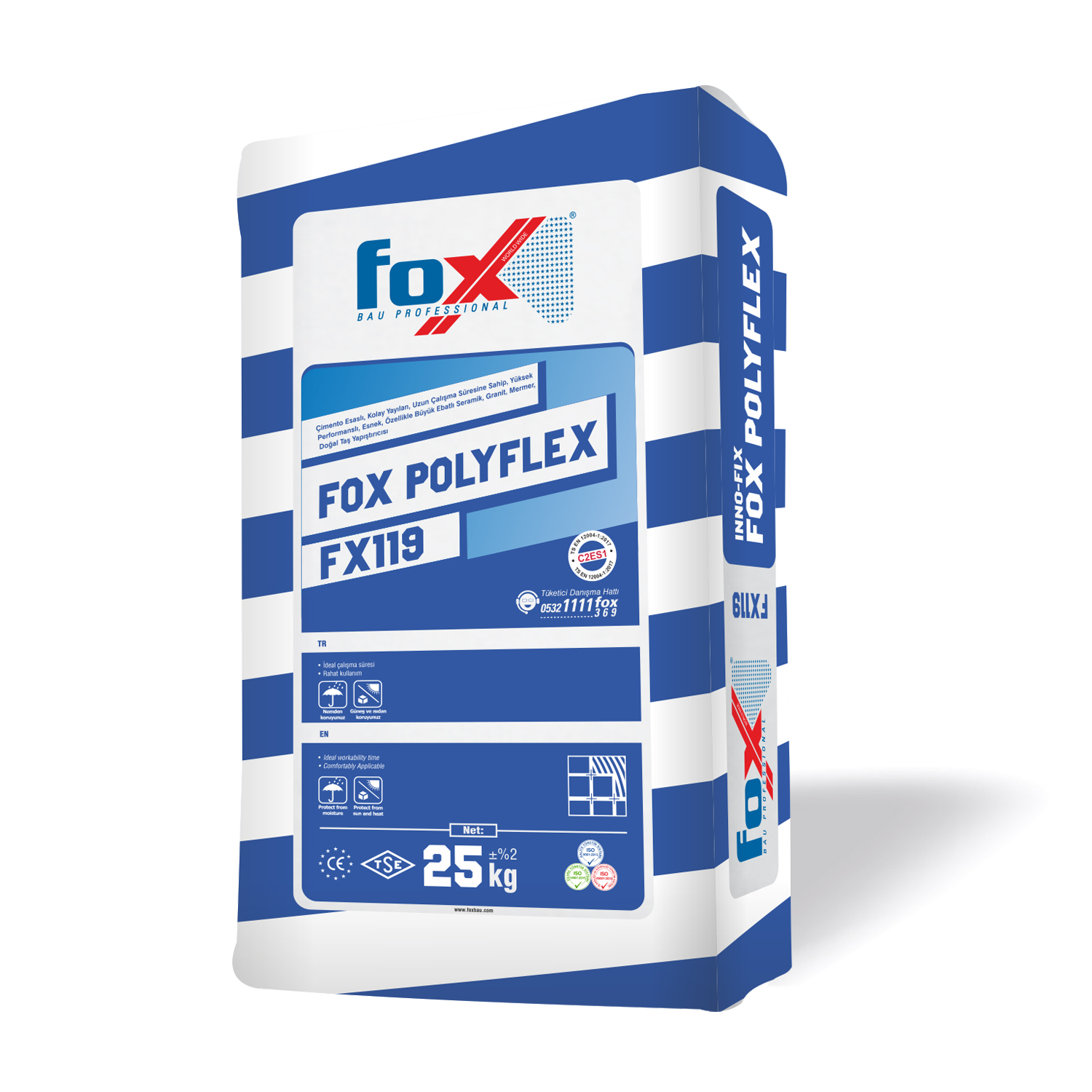
Alternative FOX POLYFLEX FX119~5 kg/m²Option
Main Product FOX CERAFLEX® FX114~5 kg/m²Tile Adhesive
-
6A
Ceramic Tiling
Interlayer StepCeramic, granite or natural stone tiling. -
7
Grout
Required -
8
Corner Joint Silicone
RequiredMain Product FOX SILICOPLUS SS310Corner Joint Silicone
System Description
An under-tile waterproofing system that can be applied in all kinds of indoor wet areas.
System Features
- Extends the service life of the building elements while preserving the existing structure.
- Provides a healthy, comfortable environment in wet areas.
Technical Specifications
System Detail
Areas of Use
- Bathrooms, showers and toilets
- Kitchens and laundry rooms
- All kinds of indoor wet areas
Application Steps
- 1
Primer
UNIPRIMER FL555 is applied.
- 2
Floor Levelling
SSL 80 is applied.
- 3
Wall Levelling
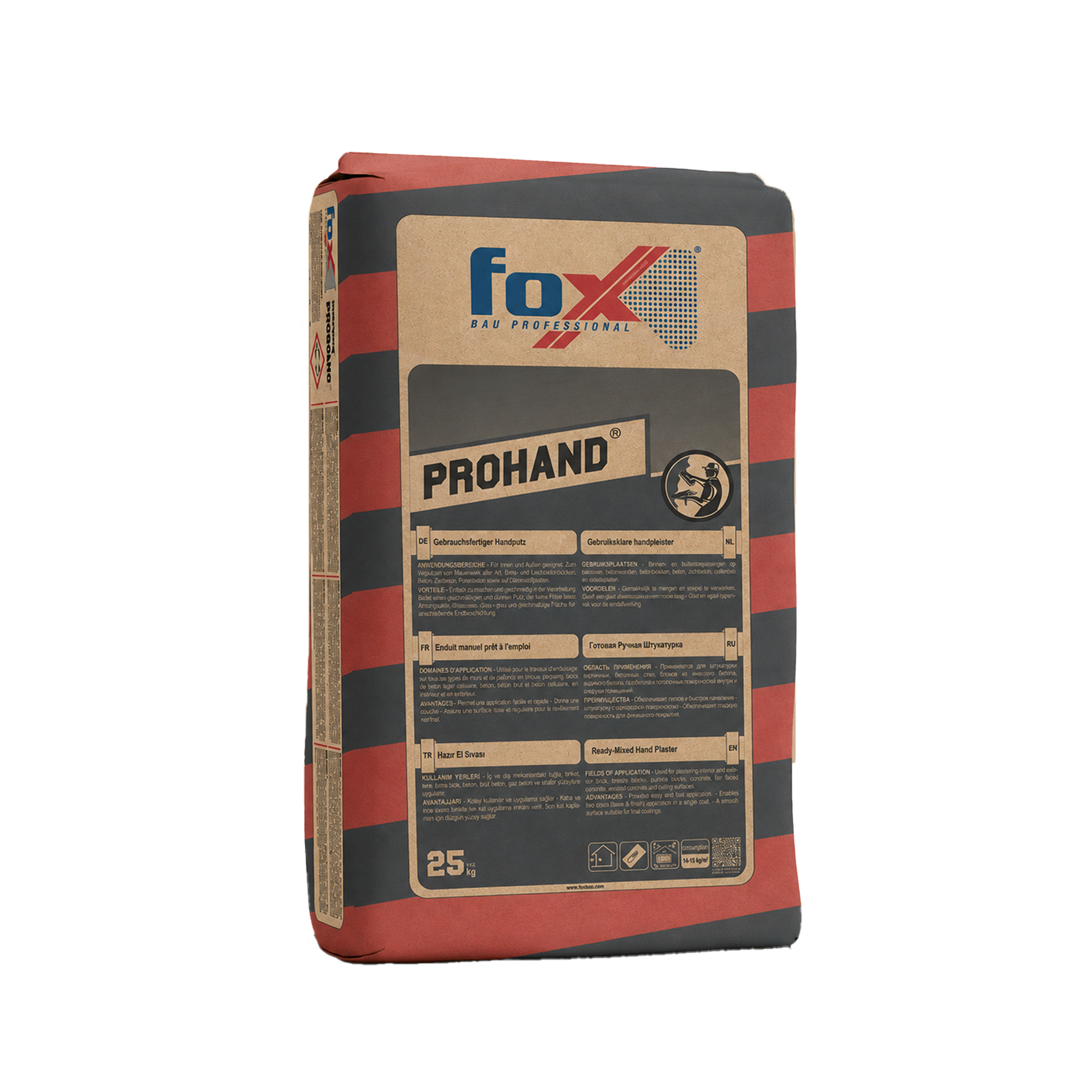
PROHAND ELYAFLI is applied.
- 4
Waterproofing
MULTISEAL FS367, MULTISEAL FS477, MULTISEAL FS478 are applied.
- 5
Waterproofing Tapes
TRIPLETAPE 120 is applied.
- 6
Tile Adhesive
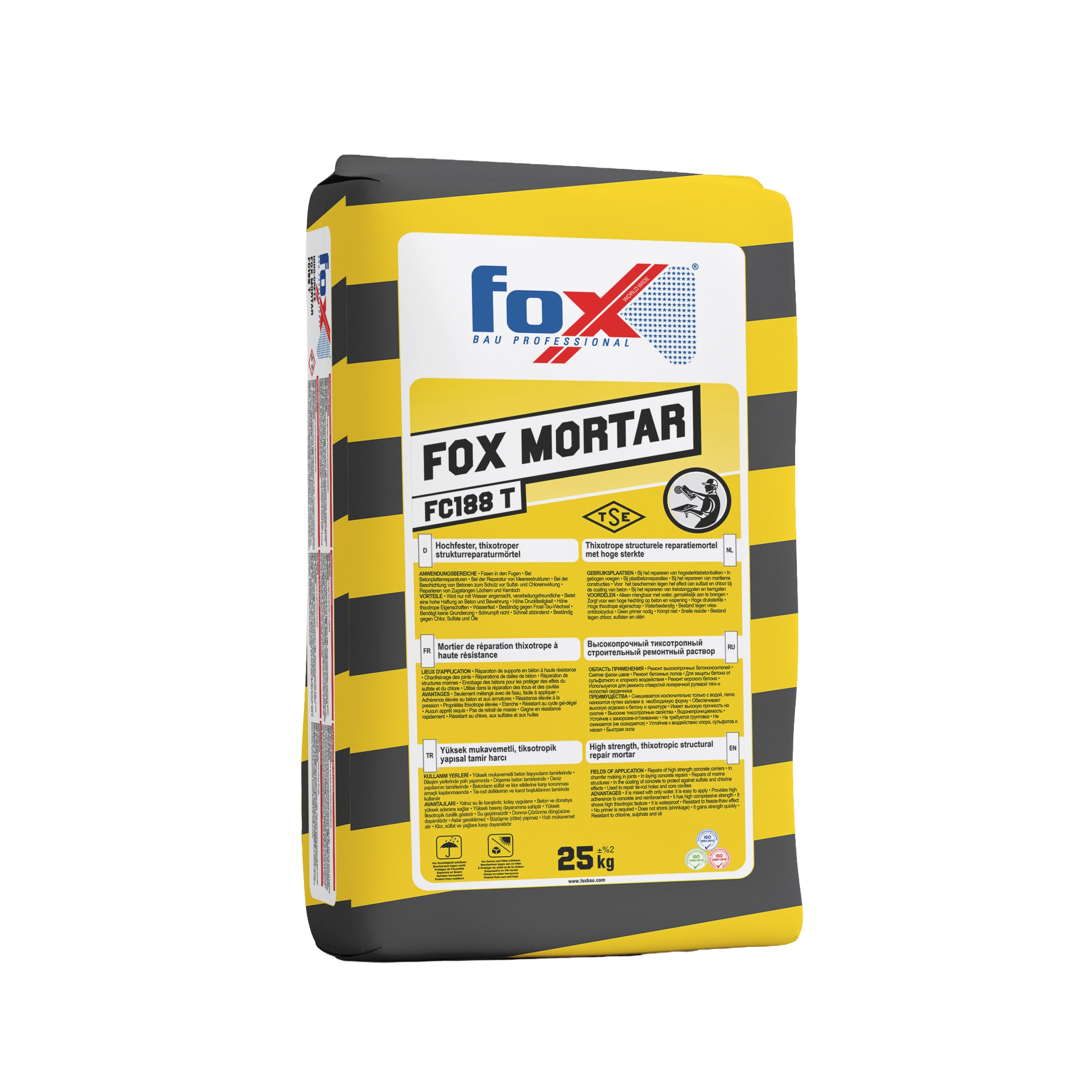
CERAPLUS FX112, CERAFLEX FX114 are applied.
- 7
Tile Covering
Ceramic, granite or natural stone covering.
- 8
Grout
FUGAMORTAR FX100 is applied.
- 9
Corner Joint Silicone
SILICOPLUS SS310 is applied.
How is the soundness of the surface checked?
The existing plaster or screed is checked at points and at different depths with a tool such as a hammer or a bush chisel, without damaging the surface. On painted surfaces, weak and blistered areas are scraped off; sanding and scoring improve the grip of the adhesive.
How is the absorbency of the surface determined?
The surface is lightly wetted. If the water is absorbed within 30–45 seconds, the surface is considered highly absorbent and is balanced with a suitable primer; on non-absorbent substrates a filled primer is used to improve adhesion.
Can it be applied over old ceramic tile or PVC covered surfaces?
Yes, once the grip of the covering on the surface has been tested with a hammer or spatula. Loose pieces are replaced, or removed and the void filled with a suitable repair mortar.
How long should fair-faced concrete surfaces be left to cure?
In facade applications, fair-faced concrete must be allowed to cure for at least 3 months; otherwise shrinkage and thermal movement pose a risk to the adhesion of the covering.
Critical
The surface tolerance must not exceed 7 mm under a 2 m straightedge, and 5 mm on heavily loaded floors, facades and pools. Deviations beyond these values are corrected with a suitable repair mortar or plaster.
Important
Highly absorbent surfaces such as gypsum based boards, cement-bonded particle board, timber based boards, fair-faced concrete and aerated concrete are dampened by sprinkling water with a brush and then primed.
Information
On painted surfaces, the soundness of the paint is checked with a 2×2 mm cross-cut test over a 10×10 cm area; if 80% of the squares do not come off, the paint is considered sound, otherwise it is removed mechanically.
Products used in the system
The Fox Bau products used in the layers of this system.
For your project
Let us choose the right system together
Contact our technical team for an under-tile system configuration suited to your project.

FOX BAU system solutions